30 seconds summary
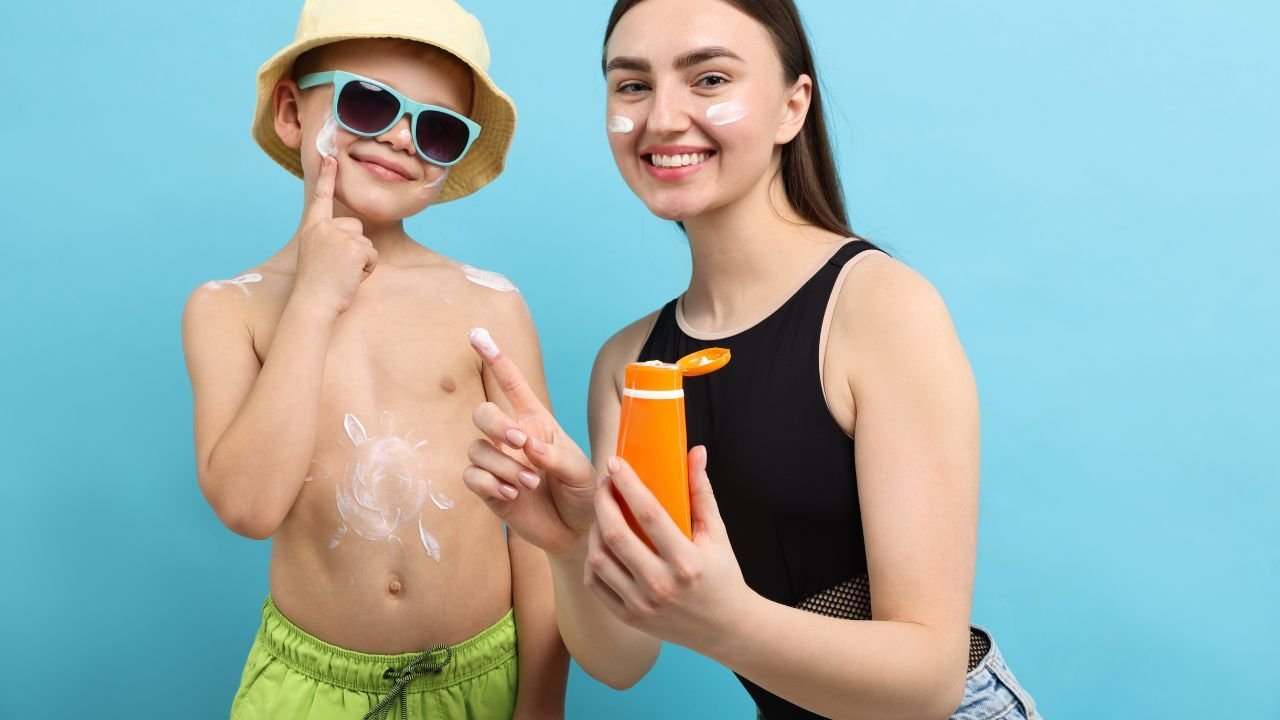
- Teaching kids the importance of sun protection and skincare helps build healthy habits that last a lifetime.
- Explain that the sun gives us light and warmth, but too much exposure can hurt our skin and cause sunburn. Teach them simple steps: apply sunscreen (SPF 30 or higher) before going outside, wear hats and protective clothing, and reapply sunscreen every two hours.
- Make skincare fun and easy, gentle cleansing, moisturizing, and daily sun protection. When kids understand that taking care of their skin keeps it strong and healthy, they’re more likely to stick to the routine.
Sunshine is a joyful part of childhood. From playground adventures to beach vacations, kids naturally gravitate toward the outdoors. However, while sunlight supports vitamin D production and emotional well-being, excessive exposure to ultraviolet (UV) rays can cause serious skin damage even at a young age. Teaching children about sun protection and a simple skincare routine helps build lifelong healthy habits.
This guide explores why sun care matters for kids, how to make it fun and educational, and which sun care products are most suitable for young skin.
Why Sun Protection Is Crucial for Children
Children’s skin is thinner and more sensitive than adult skin. That means it absorbs UV radiation more easily, increasing the risk of sunburn and long-term damage.
1. Early Sunburns Increase Long-Term Risks
Research shows that severe sunburns during childhood significantly increase the risk of developing skin cancer later in life. Even mild, repeated sun damage accumulates over time.
2. UV Damage Is Invisible but Lasting
Sun damage doesn’t always appear immediately. UV rays penetrate the skin and can affect cells beneath the surface, leading to premature aging and pigmentation issues.
3. Kids Spend More Time Outdoors
Whether it’s sports, recess, swimming, or family outings, children are naturally exposed to sunlight for extended periods.
Teaching kids sun safety early helps them understand:
- Why sunscreen is not optional
- Why hats and shade matter
- Why skincare is part of health, not vanity
Understanding UV Rays (Explained Simply for Kids)
To teach children effectively, you need simple explanations:
- UVA rays: Cause skin aging and long-term damage.
- UVB rays: Cause sunburn.
- Both can hurt skin cells, even on cloudy days.
A helpful analogy:
“The sun gives light and warmth, but it also sends invisible rays that can hurt your skin. Sunscreen is like armor that protects you.”
Making Sun Safety Fun and Engaging
Children respond better when learning is interactive.
Turn Sun Care Into a Routine Game
- Call sunscreen “sun shield.”
- Let them apply lotion under supervision.
- Use a timer to reapply every 2 hours.
Use Visual Reminders
UV-bead bracelets that change color in sunlight can show kids when UV exposure is strong.
Lead by Example
If parents apply sunscreen daily, children are more likely to follow.
Building a Simple Skincare Routine for Kids
Children don’t need complicated skincare regimens. A basic routine should focus on:
- Gentle cleansing
- Moisturizing
- Sun protection
Let’s explore each step.
Gentle Cleansing
Children’s skin needs mild, fragrance-free cleansers.
Why cleansing matters:
- Removes dirt and sweat
- Prevents clogged pores
- Prepares skin for sunscreen
What to look for:
- Soap-free formula
- Hypoallergenic
- No artificial fragrances
- Tear-free options for younger kids
Tip: Wash face twice daily morning and before bed.
Moisturizing Young Skin
Many parents think kids don’t need moisturizer but they do, especially in dry climates or winter.
Benefits:
- Strengthens skin barrier
- Prevents dryness and irritation
- Helps sunscreen apply evenly
Choose:
- Lightweight lotions for normal skin
- Creams for dry or eczema-prone skin
- Fragrance-free formulas
Apply after bathing while skin is slightly damp.
Sunscreen: The Most Important Step
Sunscreen is the cornerstone of sun protection.
What SPF Should Kids Use?
- Minimum SPF 30
- Broad-spectrum (protects against UVA and UVB)
- Water-resistant for swimming or sweating
Mineral vs Chemical Sunscreen
Mineral (Physical) Sunscreen
- Contains zinc oxide or titanium dioxide
- Sits on top of skin and reflects UV rays
- Ideal for sensitive skin
Chemical Sunscreen
- Absorbs UV rays and converts them into heat
- Lightweight texture
- Often easier to rub in
For younger children and sensitive skin, mineral sunscreen is usually preferred.
How to Apply Sunscreen Properly
Many people under-apply sunscreen.
Correct application tips:
- Use about a shot-glass amount for full body
- Apply 15–20 minutes before sun exposure
- Reapply every 2 hours
- Reapply after swimming or sweating
Don’t forget:
- Ears
- Back of neck
- Tops of feet
- Hands
- Lips (use SPF lip balm)
Protective Clothing Matters Too
Smart Sun Habits:
- Wear wide-brim hats
- Use UV-blocking sunglasses
- Choose UPF-rated clothing
- Seek shade between 10 a.m. and 4 p.m.
Explain to kids:
“Clothes are like extra sunscreen you don’t have to reapply.”
Teaching Different Age Groups
Toddlers (Ages 1–3)
- Use playful language.
- Apply sunscreen yourself.
- Focus on shade and protective clothing.
Young Kids (Ages 4–8)
- Teach simple sun rules.
- Let them help apply sunscreen.
- Use charts or stickers for routine tracking.
Preteens (Ages 9–12)
- Explain long-term skin health.
- Discuss acne-safe sunscreens.
- Encourage independence in daily routines.
Addressing Common Parental Concerns
“Will sunscreen block vitamin D?”
Short sun exposure is enough for vitamin D production. Sunscreen does not completely block vitamin D.
“Is daily sunscreen necessary?”
Yes. UV rays penetrate clouds and windows. Daily use builds strong habits.
“What about darker skin tones?”
All skin tones can experience UV damage. Sun protection is important for everyone.
Creating a Sun Safety Checklist
Here’s a child-friendly checklist:
Washed face
Moisturizer applied
Sunscreen applied
Hat packed
Water bottle ready
Making it visual helps reinforce responsibility.
Sun Protection at School and Sports
Talk with teachers and coaches about:
- Allowing sunscreen reapplication
- Providing shaded areas
- Scheduling outdoor activities wisely
Pack travel-sized sunscreen in school bags.
Making Sun Protection a Lifelong Habit
Habits formed before age 10 often last into adulthood. By normalizing skincare:
- Kids associate it with health, not appearance.
- They become proactive about skin care.
- They reduce risk of skin damage later in life.
Consistency matters more than perfection.
Ingredients to Look for in Kids’ Sun Care Products
Safe & Effective Ingredients
- Zinc oxide
- Titanium dioxide
- Glycerin
- Ceramides
- Aloe vera
Ingredients to Avoid (for sensitive skin)
- Strong fragrance
- Alcohol (drying types)
- Harsh exfoliants
- Retinoids (unless prescribed)
Always patch-test new products.
Teaching Through Storytelling
Create a simple story:
“Your skin is like a castle wall. The sun tries to sneak in with invisible arrows. Sunscreen is your shield, hats are your helmet, and shade is your safe house.”
Stories help younger children remember protective behaviors.
Seasonal Sun Protection
Sun care isn’t just for summer.
Spring
UV levels rise quickly. Start sunscreen early.
Summer
Highest risk period. Strict routine needed.
Fall
Still necessary, especially during outdoor sports.
Winter
Snow reflects UV rays and applies sunscreen for skiing and snow play.
Signs of Sun Damage to Watch For
- Redness
- Peeling
- Blisters
- Dark spots
- Persistent dryness
If severe sunburn occurs, consult a healthcare professional.
Encouraging Independence as Kids Grow
By preteen years:
- Teach label reading (SPF, broad-spectrum)
- Let them choose their sunscreen
- Explain acne-friendly formulas
Empowering children fosters responsibility.
The Psychological Impact of Teaching Self-Care
Sun protection is also about self-respect and body awareness.
Children who learn self-care:
- Develop better hygiene habits
- Gain confidence
- Understand long-term health choices
- Build routine discipline
Skincare can be framed as a healthy ritual rather than a cosmetic chore.
Common Mistakes Parents Make
- Applying sunscreen only at the beach
- Forgetting cloudy days
- Not reapplying
- Using expired sunscreen
- Skipping sunscreen for darker skin
Avoiding these mistakes strengthens protection.
Sample Daily Sun Care Routine for Kids
Morning (Before School):
- Gentle cleanse
- Light moisturizer
- SPF 30+ sunscreen
After School Outdoor Play:
- Reapply sunscreen
Evening:
- Wash face
- Moisturize
Simple. Consistent. Effective.
Long-Term Benefits of Early Sun Education
Teaching kids about sun care:
- Reduces skin cancer risk
- Prevents premature aging
- Encourages health literacy
- Promotes lifelong skincare habits
- Instills responsibility
It’s not about fear, it’s about empowerment.
Conclusion
Teaching children the importance of sun protection and skincare isn’t about creating beauty routines; it’s about protecting health. With gentle guidance, positive reinforcement, and age-appropriate products, kids can develop strong sun-safe habits that last a lifetime.
Sunshine should be enjoyed safely. By combining sunscreen, protective clothing, and consistent skincare routines, parents give their children one of the most valuable lifelong gifts: healthy skin.