Quick Snapshot
“Worried about keeping your little ones safe when you cannot be everywhere at once? Discover how smart security devices can give your family extra protection, real-time awareness, and peace of mind while helping children grow confidently in a safer home.“
Every parent wants their home to be a place where children feel safe, comfortable, and protected. However, modern family life can make constant supervision challenging. Parents may be working, managing household responsibilities, preparing meals, or relying on trusted caregivers such as grandparents, babysitters, or childcare workers.
Even in a carefully prepared home, children are naturally curious. A toddler may open a door to explore what is outside, a young child may enter an area they were told to avoid, or an older child may begin seeking more independence while still needing guidance.
For many parents, the challenge is not only preventing emergencies but also having peace of mind when they cannot be physically present every moment.
Smart home security devices can help families create a safer home environment by providing better awareness, timely alerts, and easier ways to respond when children need help. Cameras, smart door sensors, video doorbells, smart locks, and monitoring systems can support child safety when used responsibly.
However, technology should be an additional layer of support, not a replacement for supervision, communication, and parenting. The most effective approach is balancing smart devices with everyday safety habits and trust within the family.
Why Child Safety at Home Requires More Than Traditional Protection
Home is where children learn, explore, and develop independence. It is also where they begin understanding everyday safety habits.
However, children do not always recognize risks the same way adults do. A young child may see an open door as an opportunity to explore rather than a possible danger. A curious toddler may touch something unsafe because they do not fully understand the consequences.
For parents, protecting children is not only about responding to emergencies. It is also about noticing situations before they become bigger problems.
Modern families also have different routines compared with previous generations. Many parents balance work, childcare, and household responsibilities at the same time. Some families rely on grandparents, babysitters, relatives, or childcare workers for support.
In these situations, smart security devices can provide additional awareness. They allow parents to check important areas, receive alerts when something unusual happens, and respond when support is needed.
The purpose of these devices is not to create a home where children feel constantly watched. Instead, they should help parents feel more confident while allowing children to grow, learn, and develop independence safely.
How Smart Security Devices Support Child Safety
Smart security technology has changed how families approach home protection. Instead of relying solely on traditional locks and alarms, parents can now receive information about activities around their homes.
For example, a parent preparing dinner may receive an alert if a toddler opens an exterior door. A parent working in another room may quickly check whether children are playing safely. A parent relying on a caregiver may have additional reassurance about daily routines.
These tools work best when they support parenting decisions rather than replace parental involvement.
- Real-Time Awareness
Smart cameras and monitoring systems can help parents stay aware of important areas of the home, such as playrooms, nurseries, entrances, or shared family spaces.
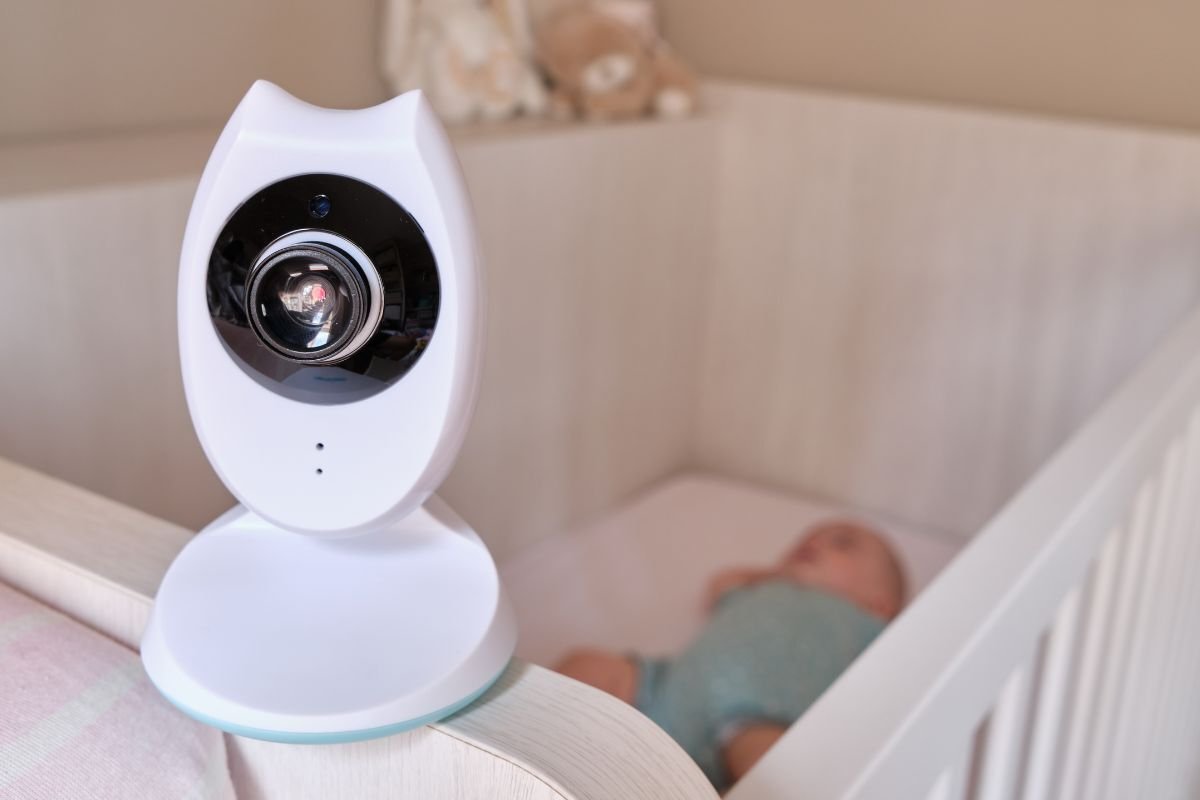
For parents of babies, cameras may provide reassurance during sleep routines or allow them to check on a child without unnecessary interruptions.
For toddlers, cameras can help parents notice situations that require attention, such as unsafe play or access to restricted areas.
For older children, monitoring devices can support safety while allowing them to gradually develop responsibility.
However, parents should remember that awareness is different from constant surveillance. Children need opportunities to explore, make decisions, and build confidence.
- Immediate Alerts
Many smart security devices provide notifications when specific activities occur. These alerts can help parents respond more quickly when something requires attention.
Examples include:
– A child opening a backyard door
– Movement detected in a restricted area
– An unexpected person entering the home
– A child leaving a designated safe space
For example, a parent working in a home office may not immediately notice that a toddler has moved toward an unsafe area. A door sensor or motion alert can provide important awareness at the right moment.
These alerts are designed to support supervision, not replace it.
- Better Communication Between Parents and Children
Some smart security devices include two-way communication features that allow parents to speak with children when they are not nearby.
This can be helpful in everyday situations:
– A parent can remind a child about safety rules.
– Children should feel confident speaking up when they need someone’s help.
– A parent can reassure a child during an unfamiliar situation.
For older children, communication becomes especially important as safety gradually changes from direct supervision to trust, responsibility, and guidance.
Important Smart Devices That Can Improve Home Safety
Different families have different safety needs. Parents should focus on devices that solve specific concerns rather than installing technology simply because it is available.
The best choices depend on children’s ages, family routines, and situations where parents need additional support.
- Smart Cameras for Monitoring Important Areas
Smart cameras are among the most common devices used for child safety. When placed carefully, they can help parents monitor areas where children spend time.
Useful features may include:
– Clear video quality
– Night vision
– Motion detection
– Two-way communication
– Secure remote access
For families with young children, cameras can provide reassurance during sleep periods or playtime. They may also help parents check routines when a trusted caregiver is looking after their child.
However, camera use requires responsibility.
Parents who use cameras around babysitters, grandparents, or childcare workers should communicate openly about their use. Clear conversations help protect both child safety and caregiver trust.
Camera placement is also important. Bedrooms, bathrooms, and other private areas should remain private spaces. As children grow older, their need for personal boundaries should also be respected.
- Smart Door and Window Sensors for Curious Children
Doors and windows can become safety concerns as children become more mobile and curious.
Younger children often explore without fully understanding potential dangers, especially during the toddler stage when independence grows faster than awareness of risk.
Smart sensors can alert parents when a door or window is opened unexpectedly.
These devices can be useful for:
– Front entrances
– Back doors
– Windows accessible to children
– Storage areas
– Rooms with restricted access
For example, a parent preparing dinner may receive an alert that a child has opened a backyard door. Instead of discovering the situation later, the parent can respond immediately.
Technology can support safety lessons, but children should also learn why certain areas require caution.
- Smart Locks for Managing Home Access
Many families rely on support from grandparents, babysitters, relatives, or childcare workers. In these situations, managing home access becomes an important part of child safety.
Smart locks can make access easier by allowing parents to control entry without depending only on traditional keys.
Parents may use smart locks to:
– Provide access to trusted caregivers
– Receive entry notifications
– Avoid leaving spare keys outside
– Remove access when circumstances change
For example, a parent returning home late may feel more comfortable knowing a trusted caregiver can enter safely without concerns about lost keys.
However, technology should always be combined with clear communication. Everyone involved in childcare should understand access rules and safety expectations.
- Smart Smoke and Safety Sensors
Child safety is not limited to monitoring movement or controlling access. A safe home also requires protection from everyday household risks.
Children may not recognize dangers such as smoke, fire, or unsafe environmental conditions. Smart smoke detectors and safety sensors can provide early warnings that allow families more time to respond.
These devices can be especially helpful at night when children are sleeping or when parents may not immediately notice a problem.
However, safety technology works best alongside basic household habits, including:
– Teaching children emergency rules
– Keeping dangerous items secured
– Maintaining working safety equipment
– Creating simple family emergency routines
Choosing Smart Security Devices Based on Your Child’s Age
Children’s safety needs change as they grow. The most useful technology for a newborn may not be the same technology needed for an older child.
Parents should consider their child’s age, personality, and level of independence when deciding which tools are appropriate.
- Babies and Infants
For babies, parents are often focused on sleep routines, comfort, and knowing when their child needs attention. Smart cameras and monitoring devices may help parents check on sleeping babies or stay aware when they are nearby but not in the same room.
However, technology should support awareness, not increase unnecessary worry. Babies still need physical care, comfort, and emotional connection from parents and caregivers.
- Toddlers and Young Children
Toddlers are often at the stage where curiosity and movement increase quickly.
They may:
– Open doors
– Explore unfamiliar rooms
– Reach for unsafe objects
– Move away from supervised areas
For this age group, devices such as door sensors, cameras in shared spaces, and safety alerts may provide helpful support.
At the same time, parents should continue teaching safety rules. Children learn through guidance and repetition, not only through restrictions created by technology.
- School-Age Children
As children grow older, parents often begin giving them more independence.
Smart devices can support this transition by helping parents stay connected without constantly interrupting their child’s activities.
For example:
– Parents may receive reassurance when children arrive home.
– Children can communicate if they need help.
– Families can create clear safety routines.
The goal is gradually moving from direct monitoring toward responsibility and trust.
- Teenagers
Older children usually need a different approach. Teenagers often value independence and privacy as they develop their own identity.
Parents should focus on:
– Open conversations
– Clear expectations
– Mutual trust
– Safety awareness
Excessive monitoring can affect confidence and make teenagers feel they are not trusted.
Technology should support safety conversations rather than replace them.
Using Smart Devices Without Compromising Privacy and Trust
Smart security devices can provide reassurance, but responsible use is essential. Parents need to consider not only whether a device improves safety but also how it affects family relationships.
Children need protection, but they also need to feel respected and trusted as they grow.
Parents should consider the following:
- Explain Technology Use to Children
As children become older, parents should explain why security devices are being used.
A child who understands that a camera or sensor exists for protection is more likely to see technology as a safety tool rather than something controlling their behavior.
Parents can explain:
– Why the device is needed
– Which areas are monitored
– How privacy is respected
Open conversations help children develop trust and understand responsible technology use.
- Communicate Clearly With Caregivers
When parents use cameras or monitoring devices while another person is caring for their child, communication is important.
Babysitters, grandparents, domestic helpers, and childcare workers should understand:
– Where devices are placed
– Why monitoring is being used
– How information is handled
Transparency helps protect relationships and prevents caregivers from feeling secretly judged.
- Protect Smart Device Accounts
Because smart security devices connect to the internet, protecting accounts is an important part of family safety.
Parents should:
– Use strong passwords
– Enable additional security features when available
– Update device software regularly
– Avoid sharing access unnecessarily
A secure device protects both children’s safety and family privacy.
Common Mistakes Parents Make When Using Smart Security Devices
Technology works best when it supports good parenting habits.
- Depending Completely on Technology
A security camera or sensor cannot prevent every accident.
Children still need:
– Safety education
– Clear boundaries
– Supervision
– Communication
Technology can provide information, but parents provide guidance.
- Installing Too Many Devices
More devices do not always create better safety.
Too many notifications can become overwhelming, causing parents to ignore important alerts.
A simple system focused on real family concerns is often more effective than a complicated setup.
- Ignoring Regular Maintenance
Smart devices require regular attention.
Parents should check:
– Battery levels
– Internet connection
– Software updates
– Device settings
A device that is not working correctly may create a false sense of security.
Creating a Balanced Smart Safety Plan for Your Family
The safest homes combine technology with everyday parenting practices.
A balanced approach may include:
– Teaching children basic safety habits
– Creating emergency routines
– Keeping dangerous items secured
– Communicating openly with caregivers
– Using smart devices for additional awareness
– Respecting children’s growing independence
Every family has different needs. A home with a toddler may require more attention around doors and restricted areas, while a home with older children may focus more on communication and trust.
The goal is not creating a home where children feel constantly watched. The goal is creating an environment where parents feel confident, children feel secure, and families can respond effectively when challenges occur.
Conclusion
Smart security devices can help parents create safer homes, but true protection comes from combining technology with care, communication, and responsible parenting. The right tools can provide support while children learn, explore, and grow with confidence. Take a moment to consider your family’s unique safety needs and ask yourself: what simple changes can help create a safer and more supportive home for your child today..??