30 seconds summary
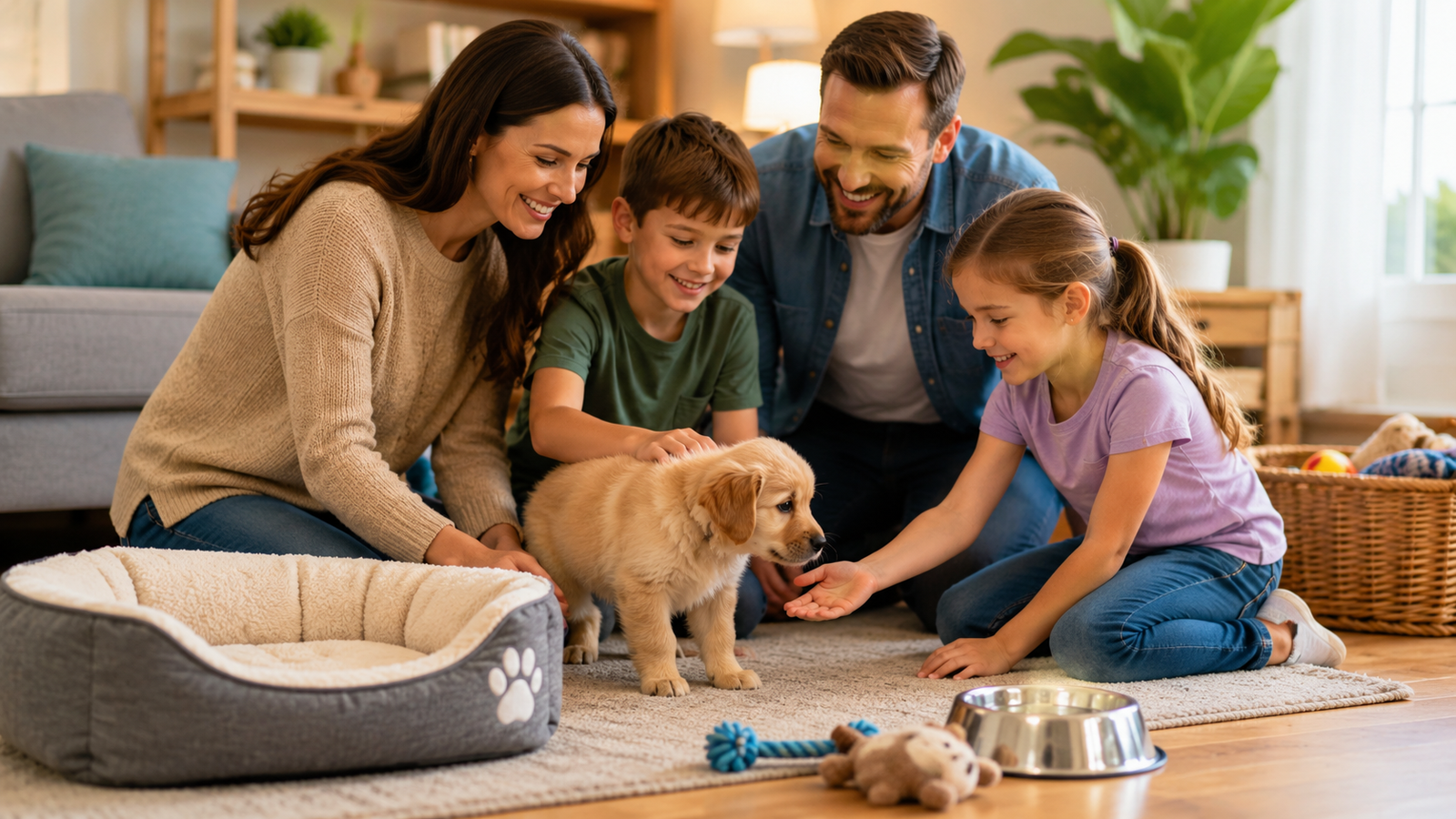
- Introducing a new puppy to your family requires preparation and patience. Start by creating a safe, quiet space for the puppy to explore.
- Gradually introduce family members one at a time, allowing the puppy to approach at its own pace. Teach children gentle handling and set clear boundaries. Establish routines for feeding, potty breaks, and play to create consistency.
- Use positive reinforcement to encourage good behavior, and supervise interactions closely. Finally, give everyone including the puppy time to adjust, fostering trust, comfort, and a smooth transition into the home.
Bringing a new German Shepherd puppy into your home is an exciting and joyful experience. These intelligent, loyal, and energetic dogs can become beloved family members when introduced thoughtfully. However, without proper planning, the transition can be stressful for both the puppy and your family. German Shepherds are highly trainable and sensitive dogs, making their early experiences pivotal for developing a confident, well-behaved adult. This guide will walk you step by step through preparing your home, managing introductions, and setting routines to ensure your puppy adapts smoothly to your family.
Preparing Your Home for a German Shepherd Puppy
Preparation is the first step in ensuring a smooth transition. German Shepherd puppies are curious and energetic, so your home must be safe, structured, and welcoming.
Puppy-Proofing Your Home
Before bringing your puppy home, remove or secure items that could be harmful or easily destroyed. Common hazards include:
- Electrical cords
- Small objects that can be swallowed
- Toxic plants and chemicals
- Sharp edges or fragile decorations
Use baby gates to section off areas where you do not want the puppy to go initially. Setting boundaries early prevents confusion and protects both the puppy and your belongings.
Creating a Safe Space
German Shepherds benefit from having a dedicated safe space, such as a crate or puppy-proofed corner. This area should include:
- Comfortable bedding
- Water and toys
- A space away from high-traffic areas
The safe space becomes a “den,” helping the puppy feel secure and providing a place to rest or calm down when overwhelmed.
Gathering Essentials
Ensure you have all necessary supplies before bringing your puppy home:
- Food and water bowls
- High-quality puppy food
- Collar and leash
- Chew toys and interactive toys
- Puppy pads (if you plan to use them for house training)
Having these ready helps your puppy feel welcomed and cared for from day one.
The First Day: Setting the Tone
The first day sets the foundation for your puppy’s behavior and comfort level. A calm, structured introduction will help prevent fear or anxiety.
Arrival at Home
When picking up your German Shepherd puppy:
- Keep car rides calm and secure with a crate or seatbelt harness
- Avoid overwhelming the puppy with loud noises or large crowds
- Allow your puppy to explore the new environment slowly
Family Introductions
Introduce the puppy to family members one at a time. Encourage calm, gentle interactions, and instruct children on appropriate behavior:
- No rough handling or chasing
- Offer treats for calm behavior
- Avoid overwhelming the puppy with multiple people at once
Introducing the Puppy to Other Pets
If you have other pets, introductions should be slow and supervised:
- Keep dogs on leashes initially
- Observe body language for signs of stress or aggression
- Allow short, positive interactions, gradually increasing time together
First Night Considerations
The first night can be challenging, as puppies may experience separation anxiety. To ease the transition:
- Place the crate in a quiet but nearby location
- Use a soft blanket or an item with the scent of the breeder or previous home
- Consider a ticking clock or white noise to mimic comforting sounds
Establishing a Routine
German Shepherds thrive on structure and consistency. A predictable routine helps your puppy feel secure and learn expectations quickly.
Feeding Schedule
Feed your puppy at consistent times, usually three to four meals per day. Establish a designated feeding area and stick to the same type of food to prevent digestive upset.
Potty Training
Potty training requires patience and consistency:
- Take your puppy outside frequently (after meals, naps, and play)
- Reward successful elimination outdoors with praise and treats
- Avoid punishment for accidents; instead, redirect gently
- Keep a consistent potty spot to create a habit
Sleep and Rest
Puppies need 18–20 hours of sleep per day. Encourage rest periods by:
- Creating a quiet environment for naps
- Limiting overstimulation before bedtime
- Using a crate or safe space to reinforce calm behavior
Exercise and Play
German Shepherd puppies have high energy levels. Age-appropriate exercise and mental stimulation prevent destructive behavior:
- Short walks or play sessions (avoid excessive running on growing joints)
- Interactive toys, puzzle feeders, and basic training exercises
- Socialization opportunities with safe, vaccinated dogs
Socialization: Building Confidence
Early socialization is critical for a confident, well-adjusted German Shepherd. Exposure to new experiences, people, and environments shapes behavior.
Meeting New People
Expose your puppy to a variety of people:
- Adults, children, and seniors
- People wearing hats, glasses, or uniforms
- Calm introductions with treats and praise
Exposure to Different Environments
Take your puppy to safe, controlled settings:
- Parks, streets, and pet-friendly stores
- Different flooring types, surfaces, and sounds
- Gradually increase the level of stimulation to avoid fear
Handling and Grooming
Teach your puppy to tolerate handling early:
- Gentle brushing and nail trimming sessions
- Touching paws, ears, and mouth for vet visits
- Make grooming a positive experience with treats
Training Foundations
German Shepherds are highly intelligent and eager to learn. Early training sets the tone for a well-mannered adult dog.
Basic Commands
Start with simple commands:
- Sit, stay, come, down, and leave it
- Use positive reinforcement: treats, praise, and play
- Keep training sessions short (5–10 minutes) to match puppy attention spans
Crate Training
Crate training helps with housebreaking and provides a secure retreat:
- Encourage the puppy to enter the crate with treats and toys
- Gradually increase crate time while staying nearby
- Never use the crate as punishment
Bite Inhibition
Puppies naturally nip during play. Teach bite inhibition early:
- Redirect biting to toys
- Stop play when biting occurs and resume calmly
- Reward gentle play and mouthing inhibition
Managing Family Dynamics
Introducing a puppy affects everyone in the household. Clear expectations and teamwork prevent stress.
Assigning Responsibilities
Designate family members to specific tasks:
- Feeding, potty breaks, and playtime
- Training sessions and socialization
- This prevents confusion and ensures consistency
Educating Children
Children should understand how to interact safely:
- No chasing or roughhousing
- Gentle petting and calm behavior
- How to respect the puppy’s space and signals
Handling Challenges
Expect challenges during the transition:
- Chewing, barking, and accidents are normal
- Maintain patience and consistency
- Seek guidance from veterinarians or trainers for persistent issues
Health and Vet Care
Proper health care ensures a smooth transition and long-term well-being.
Initial Veterinary Visit
Schedule a check-up soon after arrival:
- Vaccinations and deworming
- Flea and tick prevention
- Microchipping and spaying/neutering discussion
Nutrition
Feed a high-quality puppy diet formulated for large breeds:
- Supports joint and bone development
- Prevents obesity and related health issues
Monitoring Growth and Behavior
Track milestones:
- Weight, energy levels, and behavior changes
- Early intervention for health or behavioral concerns
Creating a Positive Environment
A German Shepherd puppy thrives in a positive, structured, and loving environment.
Encouraging Confidence
Build confidence through:
- Praise for exploration and calm behavior
- Positive exposure to new experiences
- Avoiding punishment or harsh scolding
Building Bonds
Bonding is essential for a loyal, affectionate companion:
- Daily playtime and walks
- Training as a fun, interactive activity
- Gentle petting and cuddling, respecting puppy signals
Mental Stimulation
Prevent boredom with:
- Puzzle toys and treat dispensers
- Basic obedience training
- Safe chew toys and interactive games
Common Challenges and Solutions
Even with preparation, challenges may arise. Knowing how to handle them prevents stress for both puppy and family.
Separation Anxiety
Signs include whining, barking, and destructive behavior when alone. Solutions:
- Gradually increase alone time
- Provide toys and a comfortable crate
- Avoid dramatic departures or arrivals
Chewing and Destructive Behavior
Puppies explore with their mouths. Solutions:
- Provide appropriate chew toys
- Supervise and redirect inappropriate chewing
- Praise positive behavior
Fear and Shyness
Some puppies may be initially fearful. Solutions:
- Patience and positive reinforcement
- Gradual exposure to new experiences
- Never force interactions
Long-Term Success: Building Lifelong Habits
A smooth transition sets the foundation for a happy, well-adjusted German Shepherd.
Consistent Training
Continue training and socialization:
- Increase difficulty of commands and challenges gradually
- Maintain consistency across family members
Maintaining Routine
German Shepherds thrive on predictability:
- Regular feeding, exercise, and sleep schedules
- Consistent rules and boundaries
Strengthening the Family Bond
Include the puppy in family life:
- Shared activities, walks, and adventures
- Encouraging safe interaction with children and guests
- Celebrating milestones and achievements
Conclusion
Introducing a German Shepherd puppy to your family is a rewarding journey that requires preparation, patience, and consistency. By creating a safe environment, establishing routines, socializing the puppy, and providing positive training experiences, you ensure a smooth transition. With care, attention, and love, your German Shepherd puppy will grow into a confident, loyal, and well-adjusted companion, bringing joy to your family for years to come.
The key to success lies in consistency, patience, and positive reinforcement, combined with a deep understanding of your puppy’s unique needs. Every family member plays a role in shaping your German Shepherd’s early experiences, setting the stage for a lifelong bond built on trust, respect, and affection.